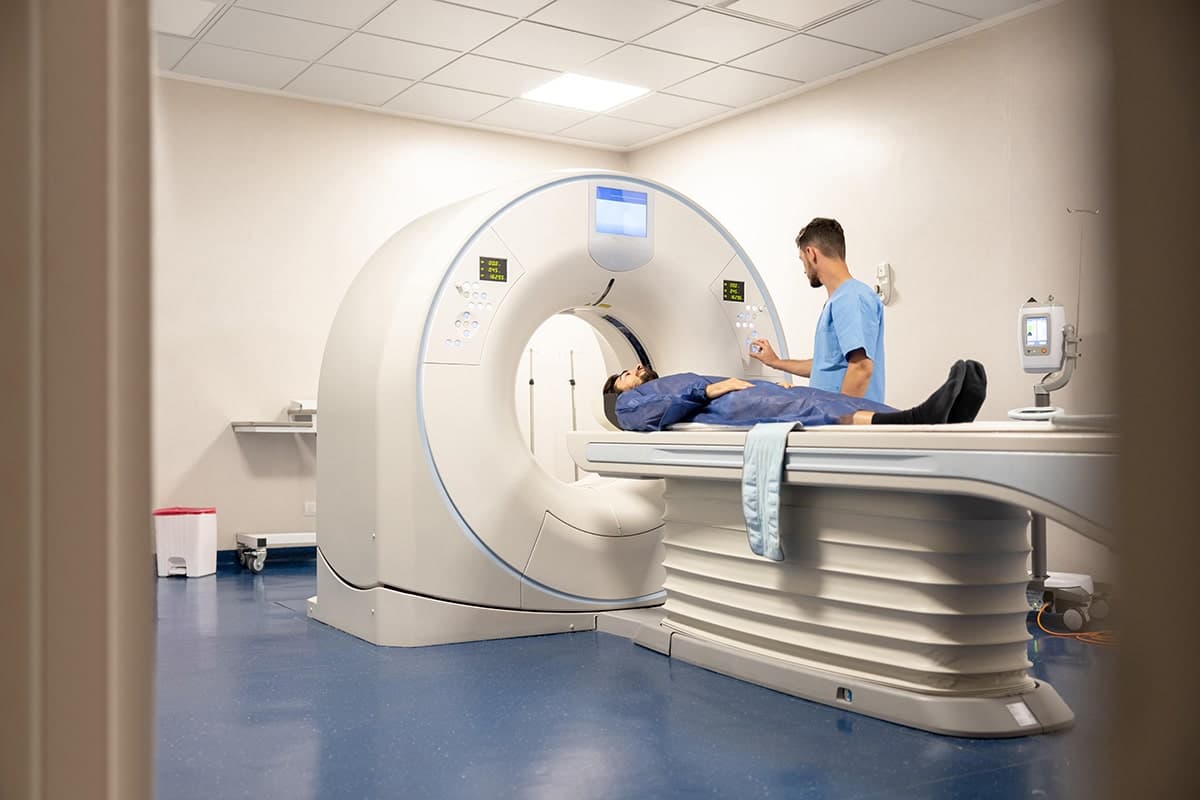
Private medical insurance usually covers:
- Hospital admission costs
- Diagnostic tests, such as MRI and CT scans
- Consultant fees
- Surgery
- Hospital accommodation and nursing care
- Cancer drugs – some policies will include drugs that are not available on the NHS
Cover may also include: outpatient consultations, mental health treatment options, complimentary therapies, physiotherapy and chiropody.
Why buy PMI?
Timely access to healthcare
- Prompt referral to a consultant
- Quick admission to a private hospital
- Treatment at a time that suits you
Choice of healthcare
- Direct care by a consultant
- Advanced treatment options, such as access to some drugs that are not readily available on the NHS
Private clinic and hospital accommodations
- Privacy
- Home amenities
- Comfort and cleanliness
.jpg&w=3840&q=75)
PMI typically covers acute conditions that arise after your policy begins. Acute conditions are illnesses or injuries expected to respond quickly to treatment, restoring your previous state of health.
Chronic conditions that require ongoing management, symptom control, relief, and rehabilitation continue indefinitely, have no known cure, or are likely to return, and are typically not covered.
You will normally not be covered for any illnesses you are currently suffering from, or have already had. However, you may be able to get cover for some pre-existing medical conditions by paying a supplementary premium, or if you meet certain criteria.
When selecting a PMI policy, it is vital to understand the coverage limits, especially for specific treatments such as cancer care. Different policies may have various monetary limits, and some insurers offer additional options to continue care after your insurance coverage ends, such as returning to the NHS or paying privately.

When choosing PMI, you may want to know
- Are there monetary limits on the policy – how much of the cost of treatment, or course of treatments, would you be covered for?
- How does an excess work – will it be applied per claim or policy year?
- What cover is there for cancer – what treatments and stages of the disease? Is there an exclusion for previous cancer diagnoses?
After your insurance coverage ends and the drug treatment that the insurer has covered is not on the NHS, your insurer will contact you as you approach the end of the coverage about the options available to you so you can discuss it with your specialist.
Options include:
- Return to the NHS and receive the treatment there, if available
- Return to the NHS and receive alternative treatment
- Pay for the treatment privately on a self-pay basis
Types of policy

Resources
Access comprehensive guides and in-depth reports, explore free-to-use tools and download our data release schedule.
FAQs
What does PMI typically cover?
PMI generally covers hospital admissions, diagnostic tests, surgeries, consultant fees, and private hospital accommodations, with some policies extending to cancer treatments unavailable on the NHS.
Does PMI cover chronic conditions?
No, PMI cover is designed to cover acute conditions that arise after the policy starts. Chronic conditions, which require long-term management, are typically excluded from coverage.
How can I get a PMI policy?
You can purchase an individual policy from an insurer or access group PMI through your employer. Group policies usually do not require a medical history, while individual policies may involve more detailed underwriting.